
Why Headshots Matter for Performers (and How to Prepare for Yours)
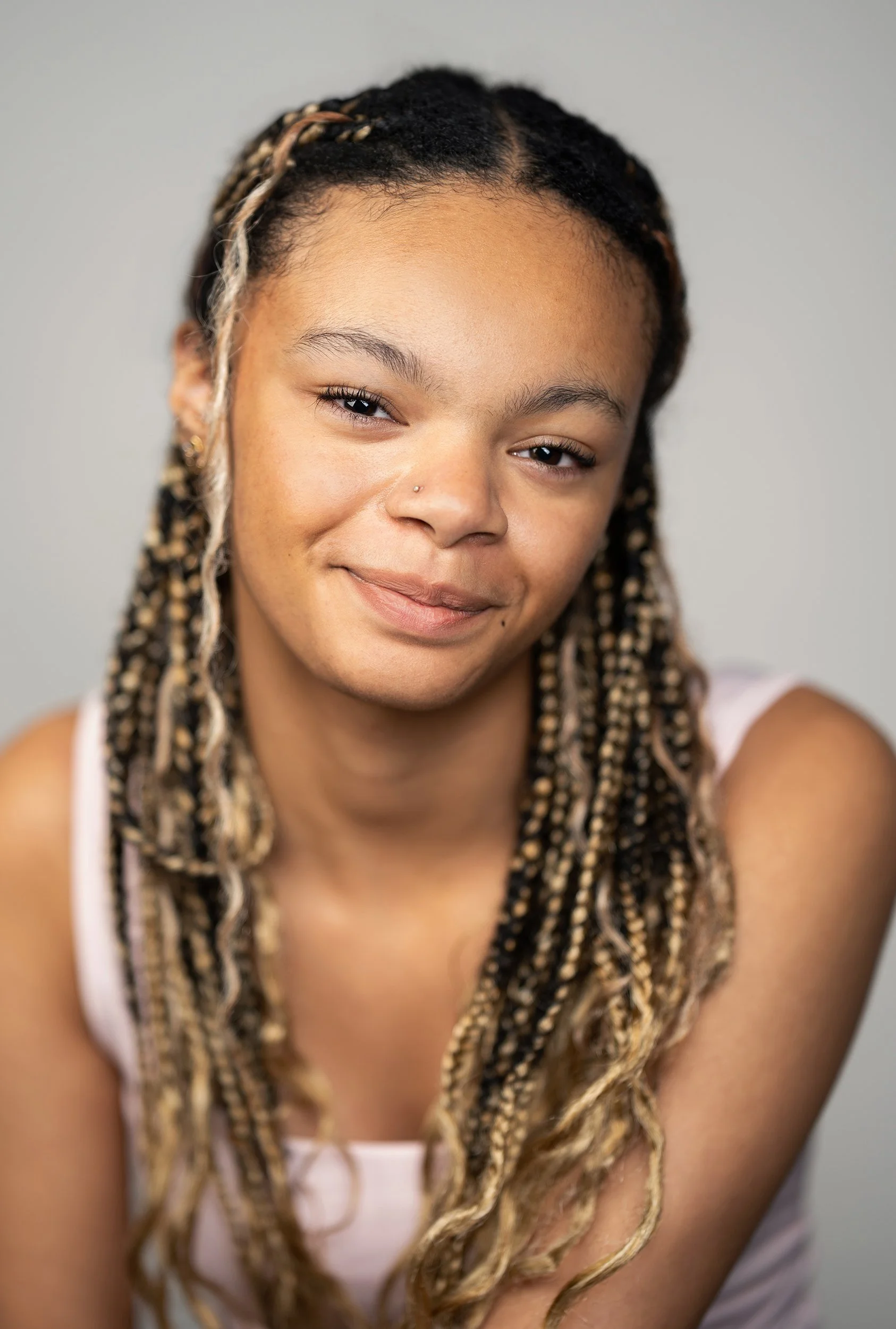
Headshots are one of those things every performer knows they need, but they’re often misunderstood. They’re not about a perfect smile, dramatic lighting, or looking “glam”. A good headshot is really about honesty. It should show who you are, without distraction, and give casting directors, choreographers, and creative teams a genuine sense of you before you ever walk into a room. It needs to be an up to date, accurate and honest representation of you to use on your website, casting platforms, actor spot lights and at auditons.
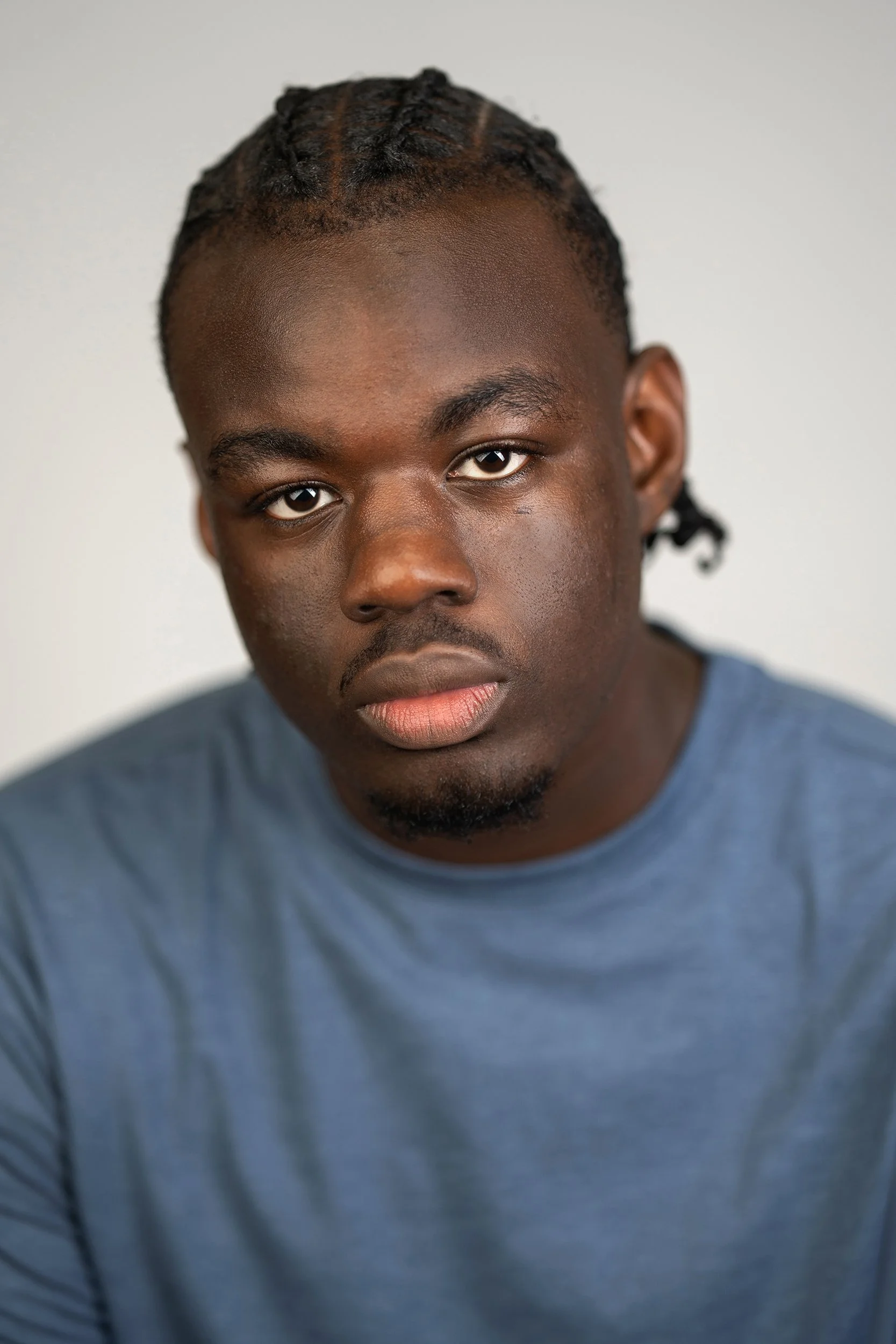
For actors, a strong headshot is about connection and storytelling. It should feel natural and believable, showing a true likeness rather than a heavily styled version of yourself. Casting directors want to see your character potential, not your makeup skills or the lighting setup. Simple, clean, and real always works best. Actor headshots tend to be closely cropped to really focus on the face.
For dancers, the approach can be slightly softer. While personality still matters, there’s often less need for the intense edge some actors go for. A relaxed, approachable look tends to work beautifully, while still showing confidence, discipline, and presence. It’s about showing the performer so, unlike with an actors headshot, a wider shot is often used
Musicians, on the other hand, often use headshots to shape identity and personality. Whether that’s expressive, calm, bold, or understated, a headshot becomes part of how audiences and industry professionals first connect with you.
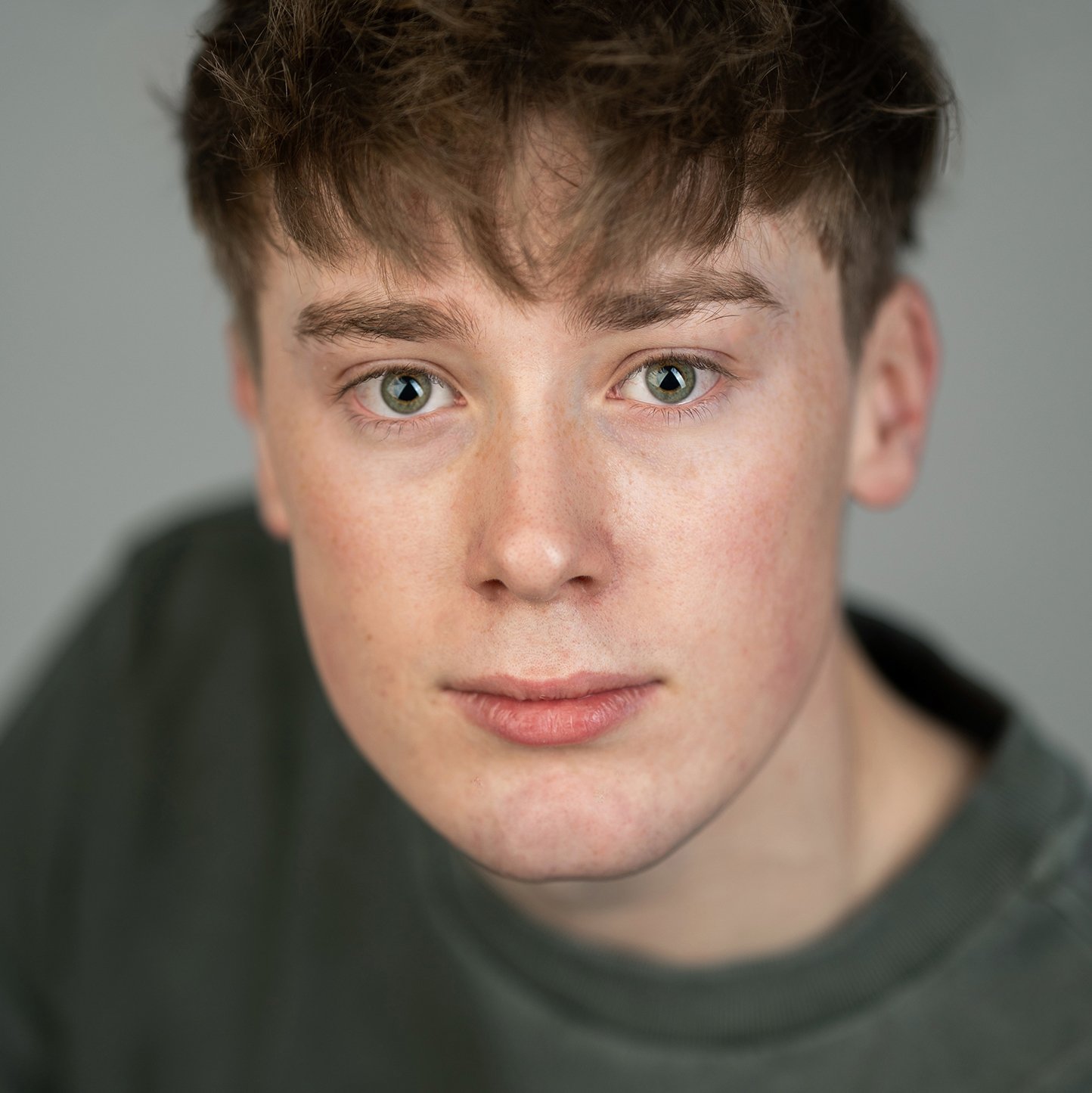
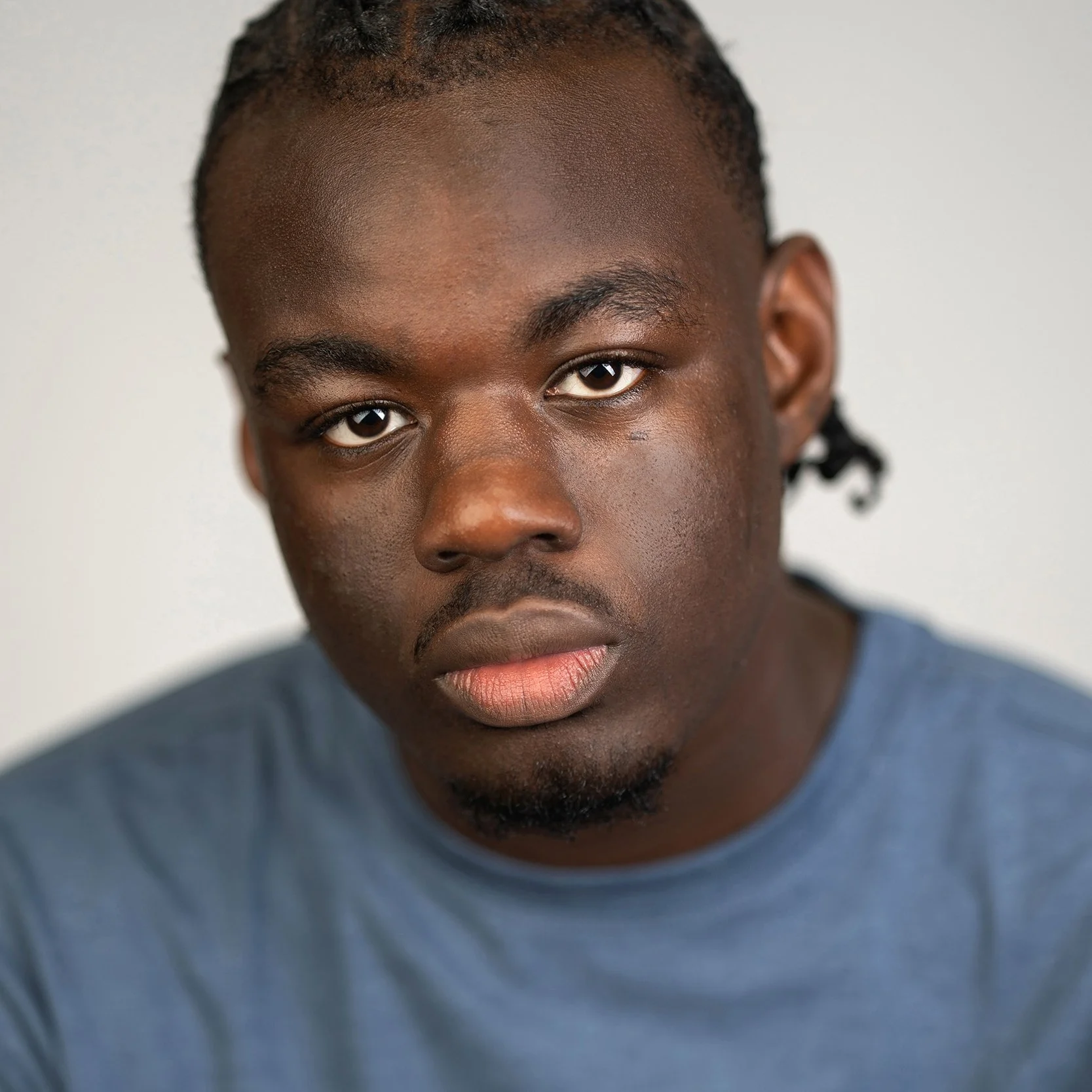
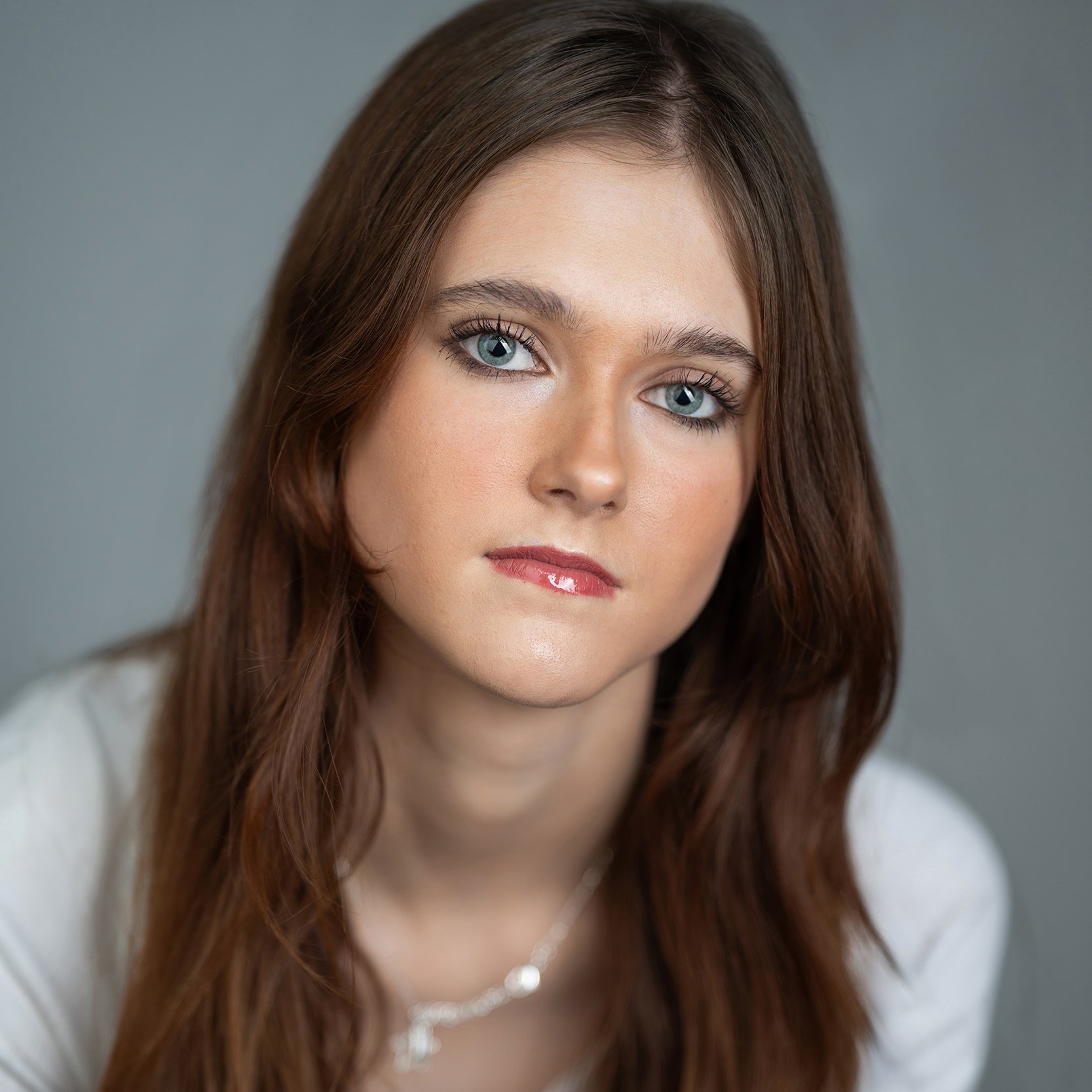
Preparing for your headshot photoshoot
Preparing for a headshot session doesn’t need to be complicated. In fact, the simpler the better:
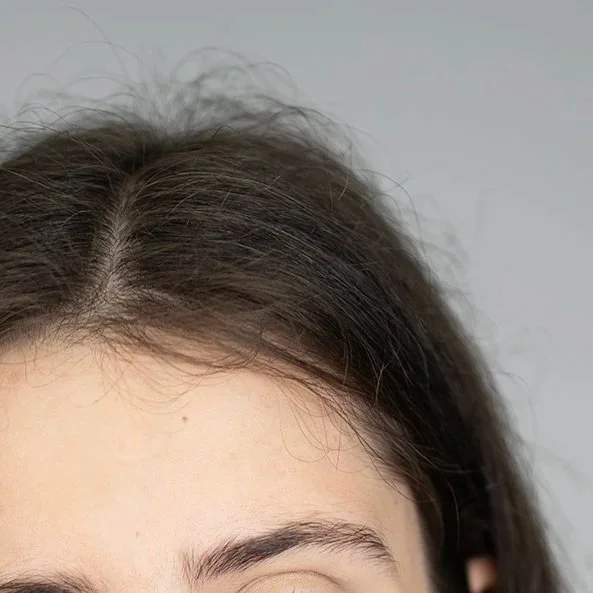
Hair should be clean, natural, and tidy, without heavy styling or frizz. If you have long hair, it’s always useful to capture both hair-down and hair-up looks, giving you more variety for different castings and uses.
Makeup should stay subtle and minimal. Heavy eye makeup, strong lipstick, and contouring as it tends to distract rather than enhance. Casting teams want to see your real face. A little natural foundation or powder to reduce shine is usually more than enough. Bring your foundation with you so you can add more if needed whilst at the shoot.
Clothing is all about keeping attention where it matters: your face. Plain solid colours work best. Avoid stripes, distracting patterns, logos, and bright or neon colours. Neutral tones are usually best in order to keep the focus on the face. Simple necklines and solid colours help frame the face naturally and keep the image clean and professional.
Expression counts. You may assume you want a big smiley picture but that is generally only best for more commercial work. If you are looking for dramatic roles then a serious expression is better. Aim to have smiley, neutral and serious expressions for the various roles you might be going for.
When it comes to posing, this is where trust matters. You don’t need to arrive with a list of poses. A good photographer will guide you, talk to you, and help bring out natural expressions and body language that feel like you. It might feel unfamiliar at times, but that process is what creates headshots that feel real rather than forced.
Remember that in the end, great headshots aren’t about perfection. They’re about authenticity. Simple hair, simple makeup, simple clothing, and a relaxed environment that lets your personality do the work. Nothing should distract from your face, your expression and your presence.
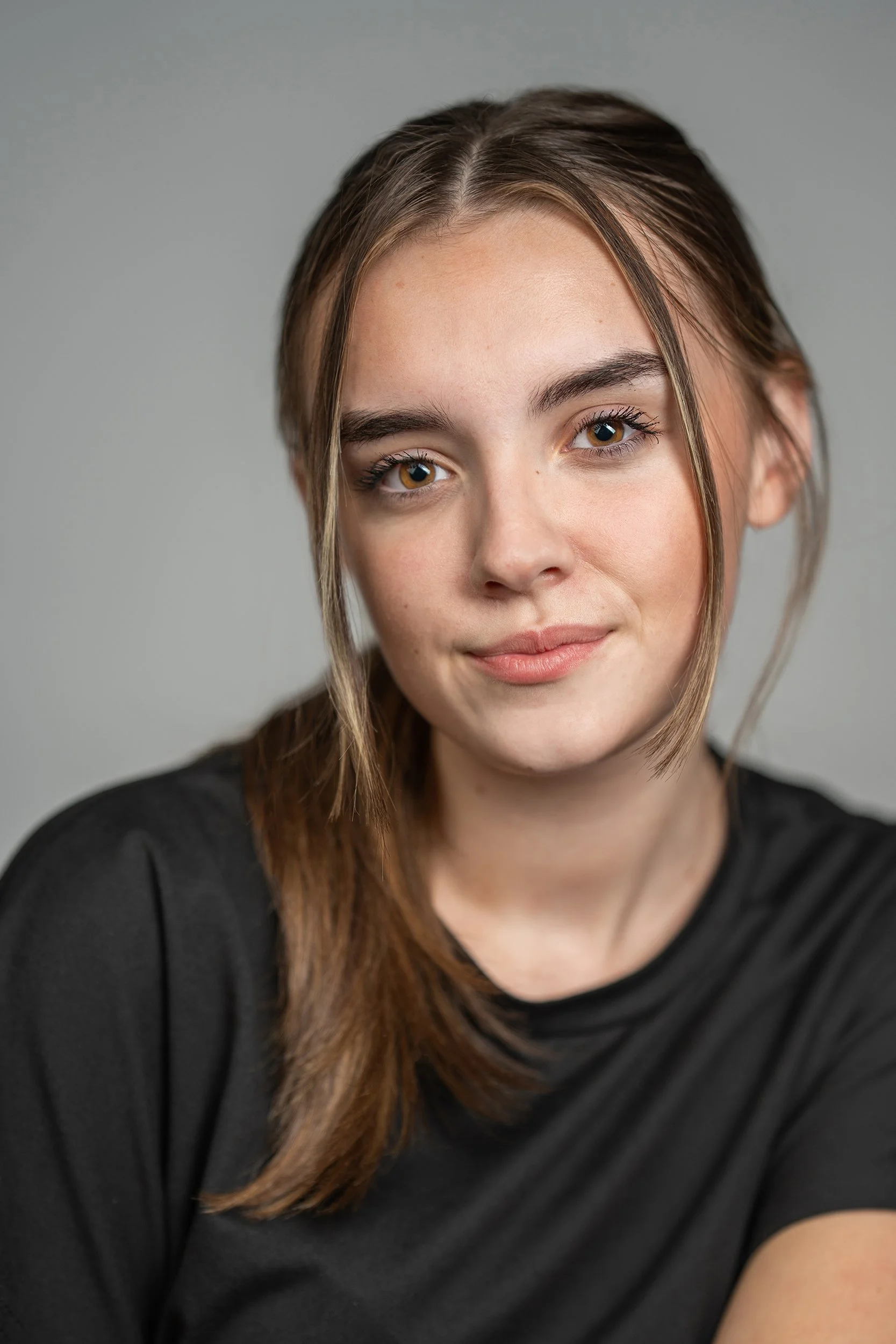
Top Tips
Bring a few different clothing options so you have other tops to change into.
Try to avoid Frizzy hair
If you have long hair bring something so you can have your hair up.
Clean your glasses! Nothing worse than having a finger print on the lenses.
Bring some foundation or powder with you in case you need to reduce shiny skin under the photography lights.
Don’t forgat a hair brush or comb just in case the wind ruins your hair on the way in.