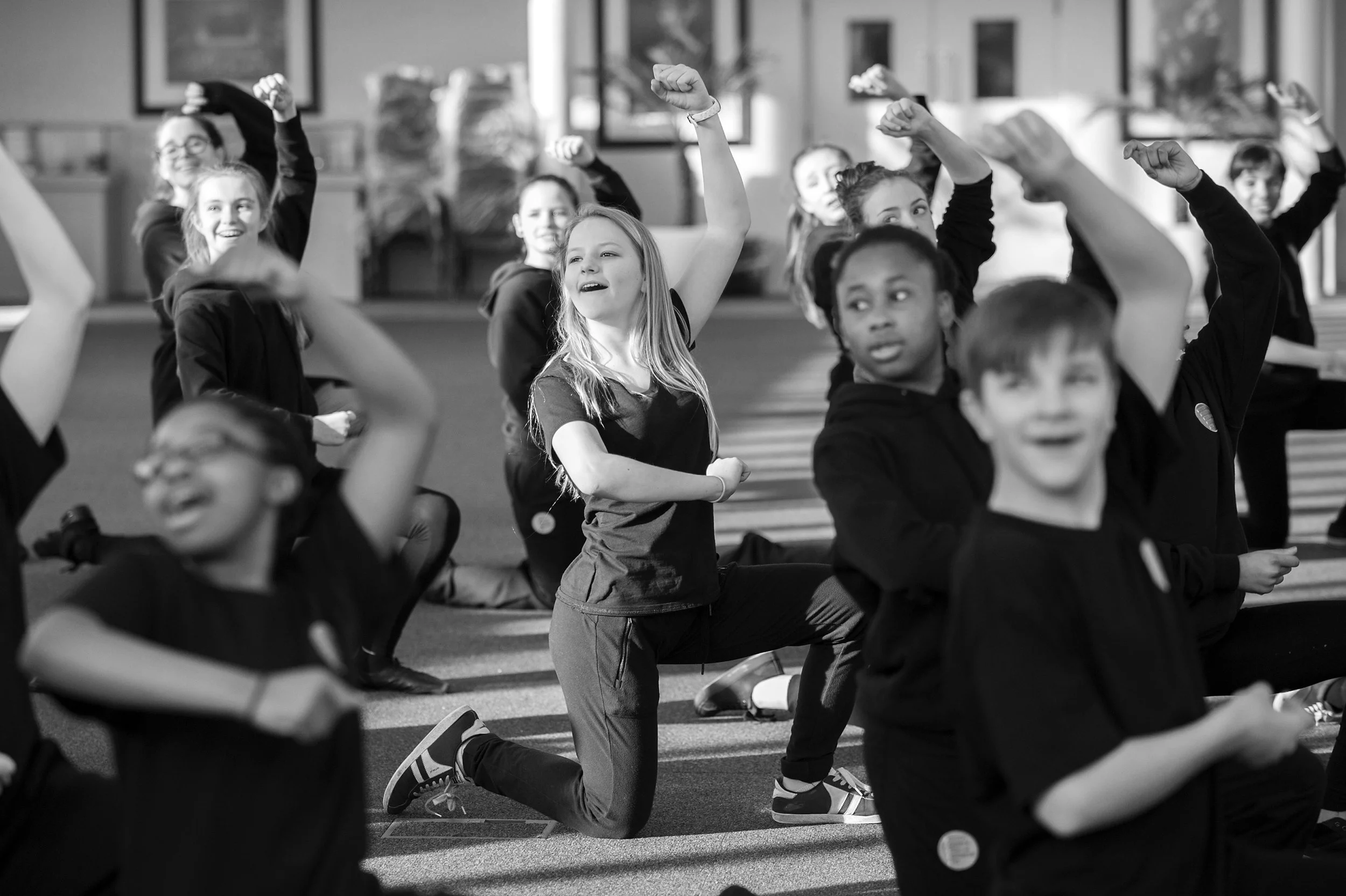
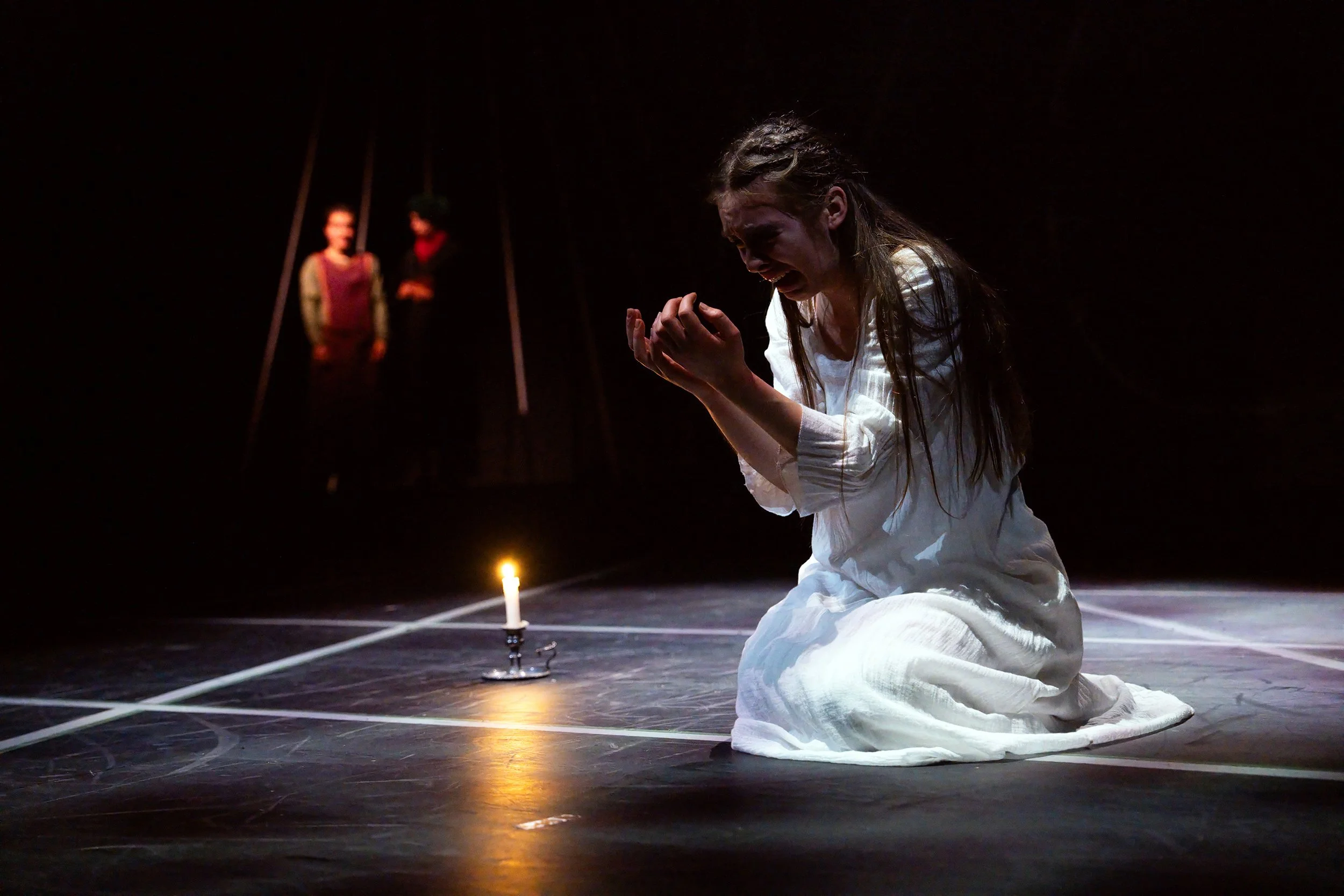
The Common Challenges of Photographing Theatre
Photographing theatre is about far more than simply taking pictures of what happens on stage. It's about creating a visual record of a performance that captures its energy, emotion and atmosphere, while telling the story of the production as a whole.
Whether the images are being used to promote a forthcoming production or to preserve it long after the final curtain has fallen, photographing theatre presents a unique set of creative and technical challenges that aren't always obvious to the audience.
Why Theatre Photography Matters
In most cases, theatre photography serves two important purposes.
Firstly, it plays a vital role in promoting a production. Images are used across social media, posters, programmes, brochures and websites, helping to attract audiences and showcase the work of the theatre company.
Secondly, it creates a lasting archive of the performance. Once the production has finished, the photographs become a valuable record of everything that went into the show—from the lighting and costume design to the set, staging and performances themselves.
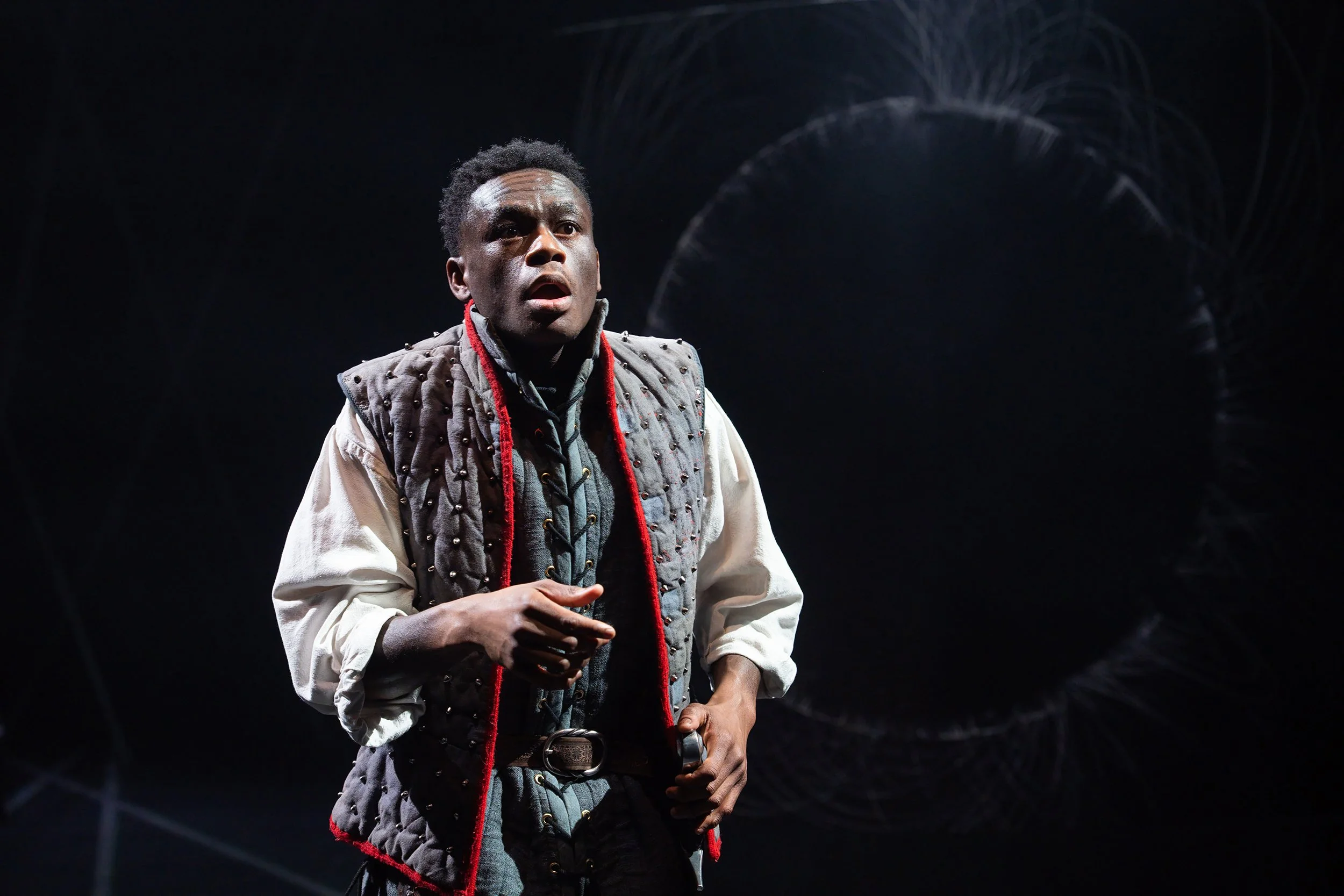
Macbeth
Photographing Theatre During Dress Rehearsals
People often ask when I photograph a production.
In most cases, I work during the dress rehearsal. This gives me greater freedom to move around the auditorium and find the strongest angles (even if it occasionally involves climbing over rows of seats rather quickly).
It also means I can document the performance without distracting a paying audience, while still capturing images that feel immersive and true to the live experience.
The Biggest Challenges of Photographing Theatre
There are plenty of technical challenges when photographing theatre, but lighting is usually the biggest.
Stage lighting is designed to create atmosphere rather than make life easy for photographers. A combination of LED and tungsten lighting can produce colour casts that aren't noticeable to the human eye but become obvious in photographs.
Then there's the photographer's favourite challenge—lighting flicker.
The refresh rate of modern stage lighting can create banding or flickering across images. To minimise this, shutter speed has to be continually adjusted to stay in sync with the lighting. The difficulty is that the lighting changes throughout the performance, so it's a constant process of monitoring the results and adapting camera settings.
At the same time, many productions involve fast-paced movement, particularly dance performances and musical theatre. Finding the right balance between freezing movement and avoiding lighting issues is something that comes with experience.
Photographing live performances adds another layer of complexity. Movement around the venue becomes much more restricted, and using a silent shutter is essential to avoid distracting performers or the audience.
Every Stage Performance Is Different
One of the reasons I enjoy photographing theatre so much is that no two productions are ever the same.
Unlike many other types of photography, I don't control the lighting, the positioning of the performers or what happens next. Instead, as a theatre production photographer, I have to anticipate moments as they unfold, responding quickly to changes in movement, staging and lighting.
When I arrive at a theatre, my first question is almost always: "What's the lighting like?"
Understanding this early on helps me prepare for the conditions and ensures I can capture the performance at its best, even in low-light or high-contrast situations.
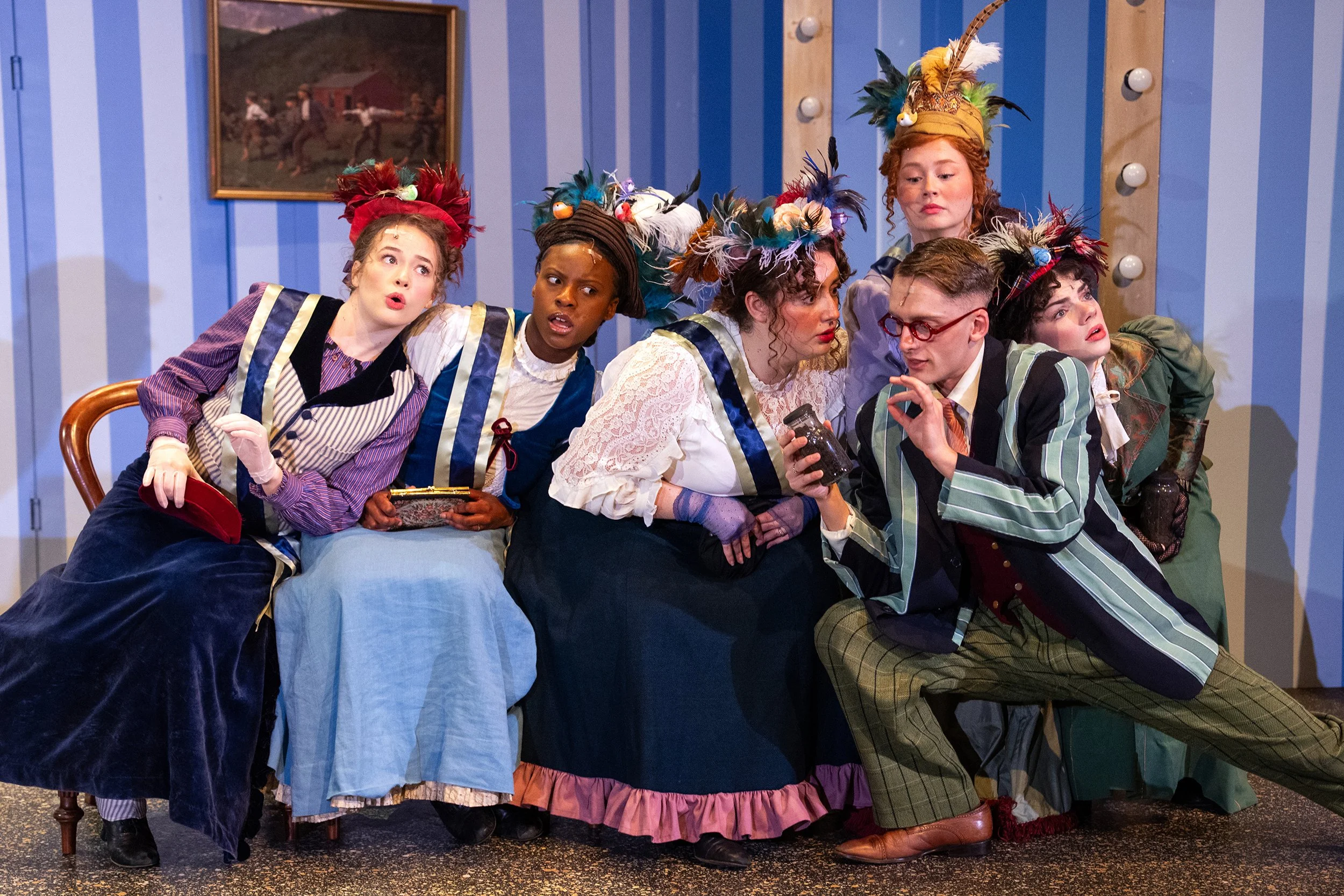
High Button Shoes
Telling the Full Story of the Theatre Production
For me, photographing theatre isn't just about capturing the biggest moments. The aim is to tell the complete story of the production through a carefully balanced collection of images.
That means capturing:
Wide photographs that show the scale of the set and stage design.
Mid-range images that place performers within the production.
Close-up photographs that reveal expression, emotion and character.
Together, these images create a complete visual narrative that reflects the atmosphere of the performance as a whole.
Where possible, I'll sometimes revisit key scenes at the end of a rehearsal to refine composition or improve a particular angle, although this isn't always possible if costumes, lighting or scenery have already changed.

Creating the Best Possible Theatre Images
If I'm lucky enough to have the opportunity, my ideal scenario is a dedicated photography rehearsal.
Having the flexibility to briefly pause or repeat moments, make small adjustments to positioning or ensure consistency in costumes and lighting can make a noticeable difference to the final photographs.
It isn't always practical, but when it is, it allows me to produce the strongest possible images while still staying true to the performance.
Looking for an Experienced Theatre Photographer?
Whether you're planning a professional theatre production, rehearsal, live school performance or touring show, I'd be delighted to help capture the energy, atmosphere and story of your production through natural, documentary-style theatre photography.
Get in touch to discuss your next production.
Danny
Depending on your production, you may also be interested in:
Theatre Photography: Capturing the energy, atmosphere and storytelling of live theatre productions, from dress rehearsals to opening night.
Rehearsal Photography: Documenting the creative process, helping you build anticipation and generate marketing content long before your production opens.
Backstage Photography: Revealing the moments audiences never see, from final preparations in the wings to the teamwork that brings every performance together.
Live Performance Photography: Ideal for festivals, comedy, live music, cabaret and other performances where capturing atmosphere and audience connection is key.
Dance Photography: Showcasing movement, expression and artistry through dynamic photography of dance performances and rehearsals.
Live Music Photography – Capturing the atmosphere, emotion and excitement of live music performances, from intimate gigs and Fringe events to full-scale concerts and festivals.
Professional Headshots for Actors & Performers – Creating natural, authentic headshots that reflect your personality and help you make a strong first impression with casting directors, agents and creative teams.